

Wakankar Seminar Highlights Digital Transformation in India’s Archives
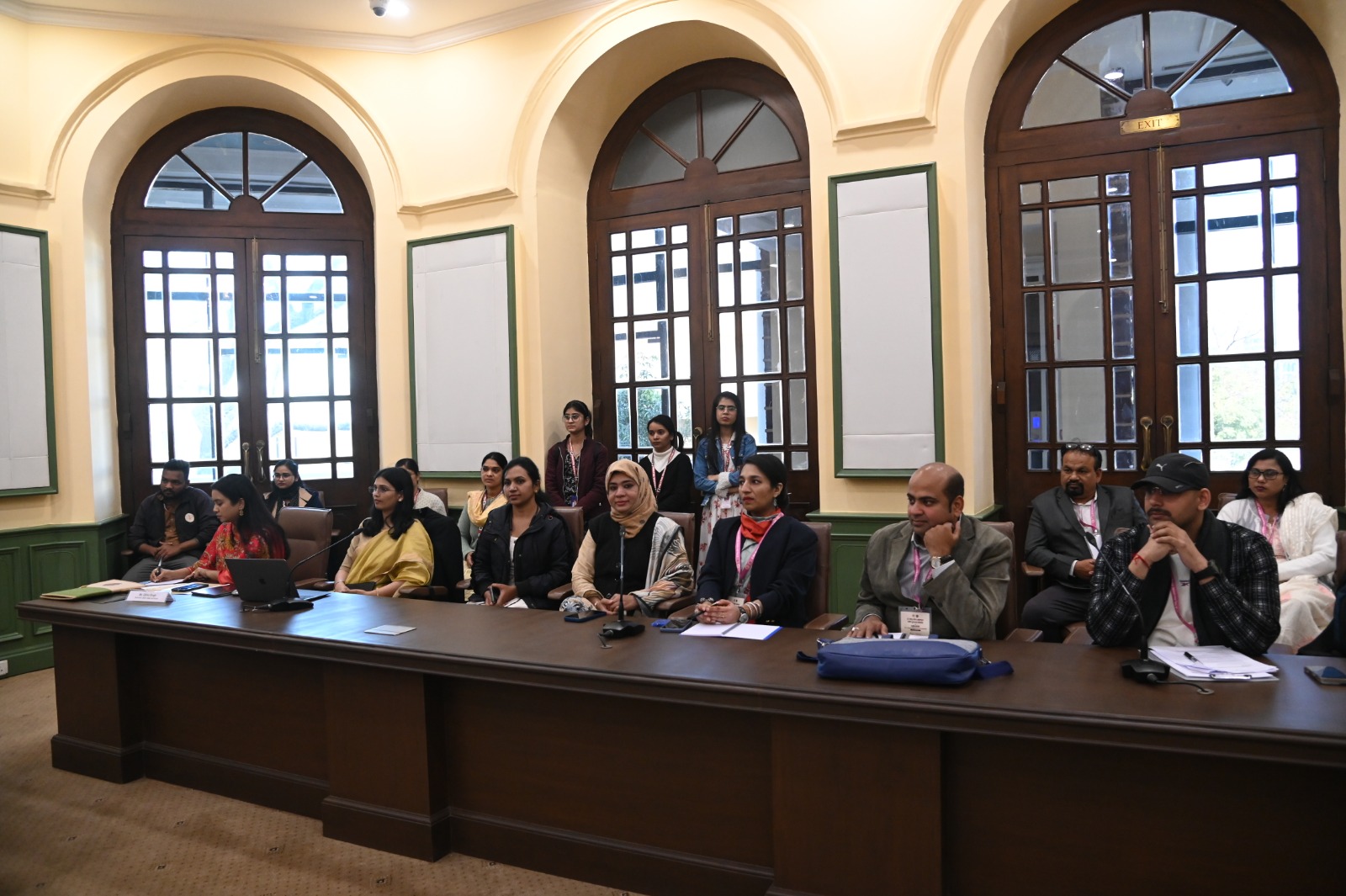
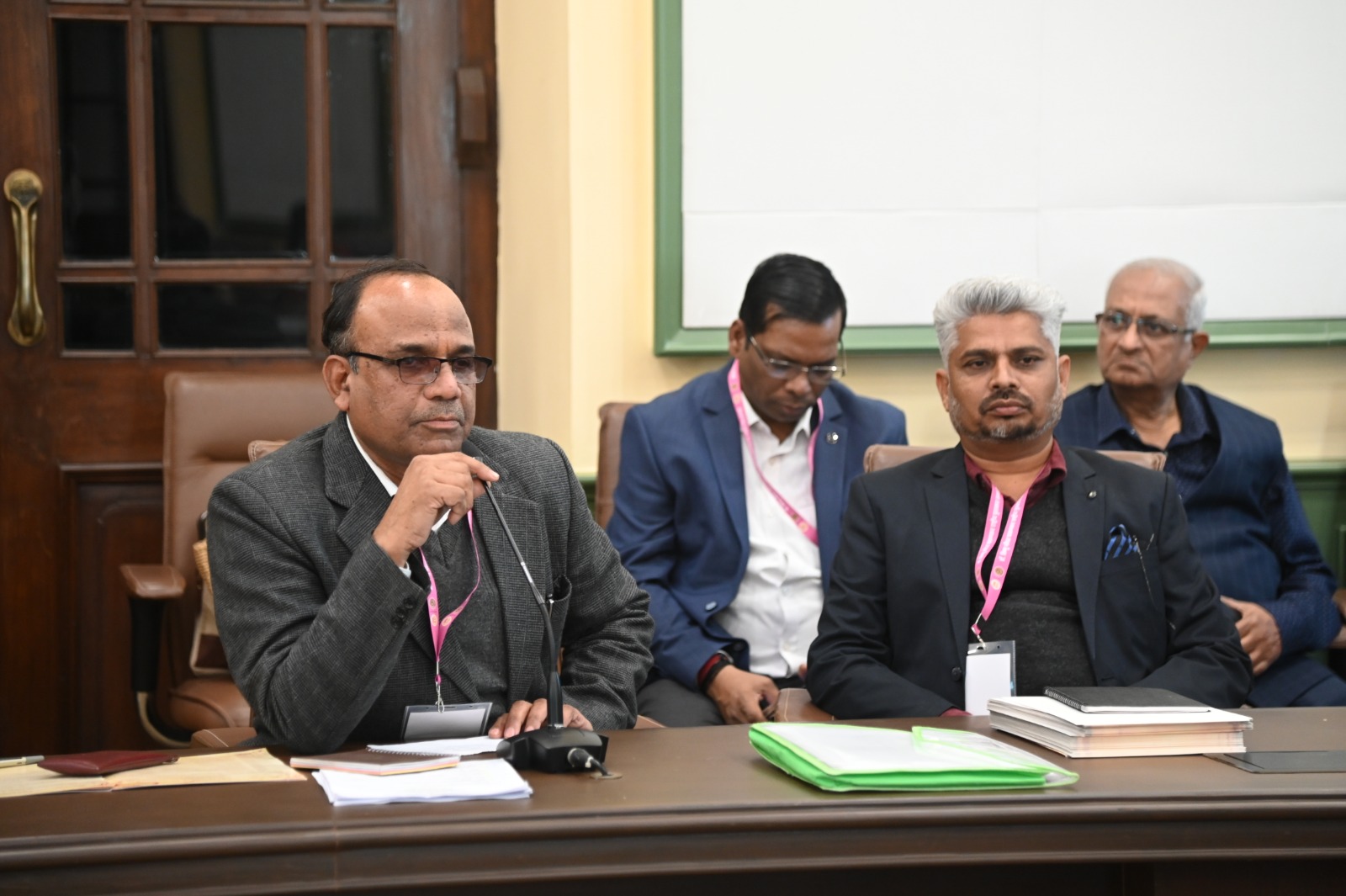
The session brought together leading experts from national and state institutions to examine how technology, legislation, and scientific conservation are reshaping the future of archives in India, transforming them from passive repositories into dynamic, accessible, and intelligent heritage systems.
The deliberations were held under the chairmanship of Shri K. K. Siddha, IAS, Director, Jammu and Kashmir Archives, and moderated by Dr. Sanjay Garg, former Deputy Director, National Archives of India. Discussions highlighted the accelerating shift toward hybrid archival models that integrate physical preservation with digital infrastructure, artificial intelligence, and public-facing access platforms.
Highlighting the institutional responsibility behind India’s archival transformation, Shri Nilesh Lokhande, Deputy Director, Madhya Pradesh Archives, said:
“The primary responsibility of this Department (DAAM) is to preserve these historical records as a cultural heritage of our nation for the use of posterity; thus, it is our pious duty to preserve valuable records. The Madhya Pradesh Archives has therefore placed the conservation and preservation of records as its top priority. The present National Seminar is an attempt to create archival consciousness for better management and to utilize new technologies to improve our Archives in conserving and preserving records.”
One of the major insights presented was the scale and impact of mass digitization efforts led by the National Archives of India (NAI). Experts noted that over 18 crore pages have already been digitized, with nearly six lakh pages processed daily and made available through the Abhilekh Patal portal. This effort was described as a landmark step in the democratization of historical information, enabling 24/7 global access and significantly reducing preservation costs.
Keynote speakers emphasized that the digital transformation of archives requires not only technology but also updated policy frameworks. Participants called for a reassessment of access laws to allow wider public engagement with archival materials, aligning India’s archival practices with global standards in the UK, Europe, and North America.
The session also showcased institutional innovations from Karnataka State Archives, which presented its internationally recognized e-Permanence Suite for digital preservation and records management. The system, which manages over 1.7 million historical documents dating back to the 19th century, has received commendation from the World Bank for its governance and technological integration.
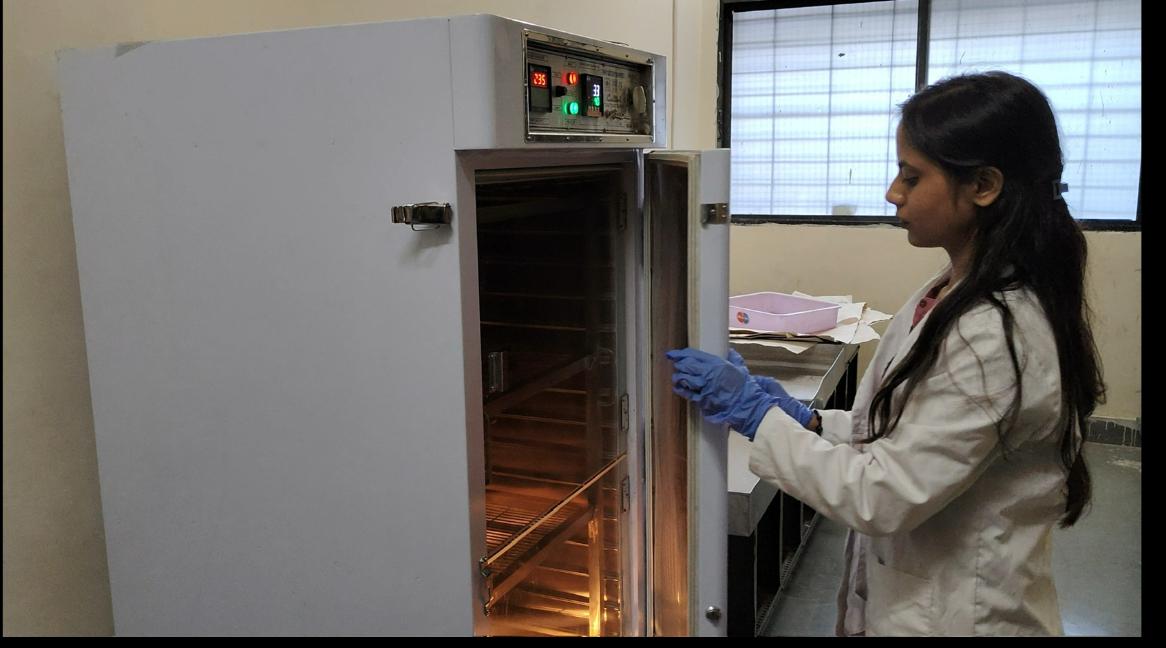
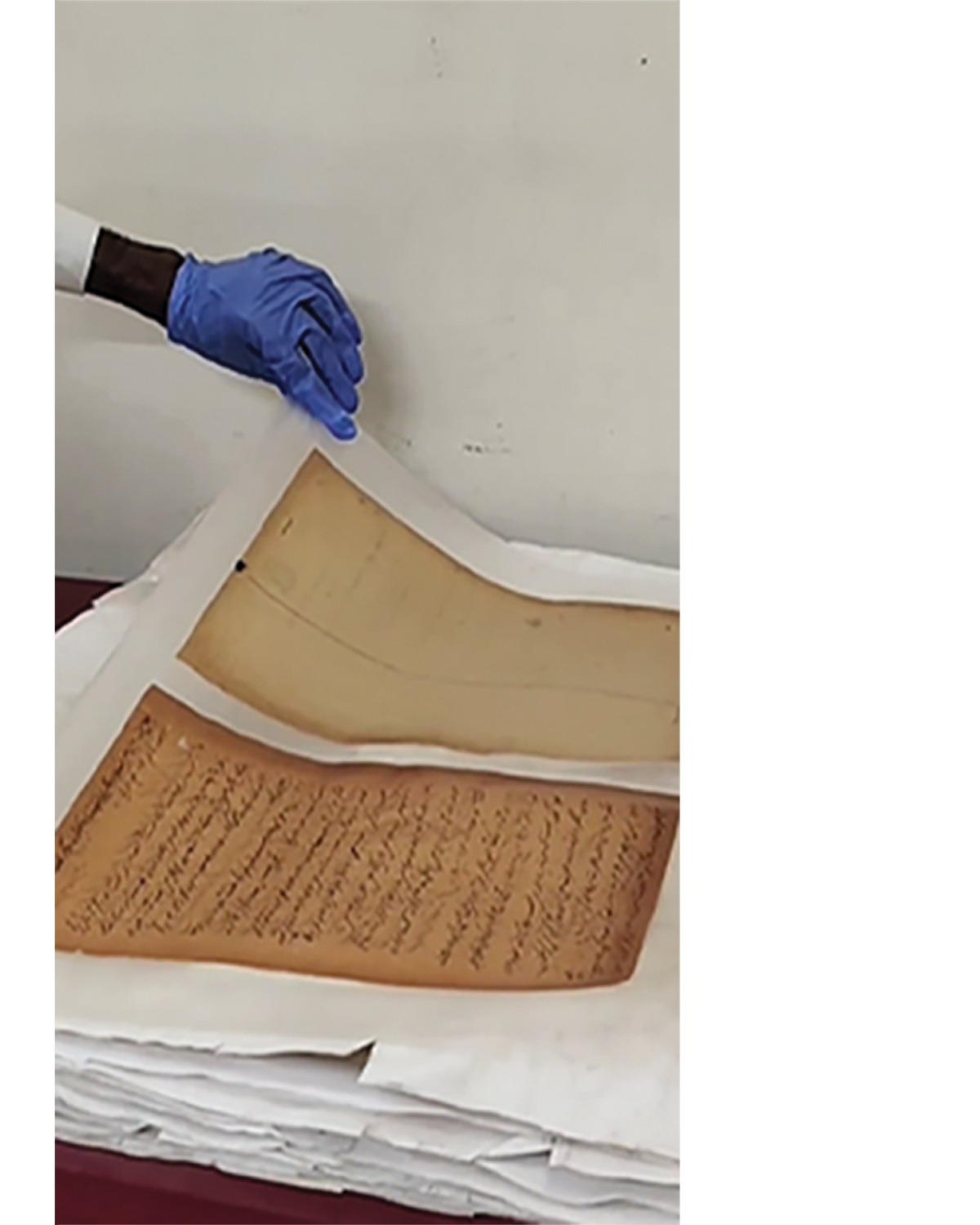
Emerging scientific conservation techniques were another key focus. Experts presented advances in nanotechnology-based paper strengthening, laser cleaning, multi-spectral imaging, and IoT-monitored storage systems; methods that shift conservation from reactive repair to preventive care. These approaches reflect global best practices in long-term preservation and risk management.
Several speakers highlighted the growing role of artificial intelligence in archives, including metadata creation, multilingual accessibility, optical character recognition, and intelligent discovery systems. Social media integration and AI-assisted content curation were presented as powerful tools to expand public engagement and transform the perception of archives as inaccessible or static institutions.
The session concluded with a forward-looking discussion on the role of archival records in reinterpreting history. Scholars argued that archives represent a new archaeological frontier, where re-examining legacy files, photographs, and field notes with modern tools can challenge colonial-era narratives and produce more inclusive historical interpretations. Calls were made for a national mission to digitize hybrid archives, create unified access portals, and fund “archival re-excavation” alongside physical fieldwork.
Through this thought leadership workshop, Madhya Pradesh reaffirmed its role as a convener of national and international dialogue on heritage governance. The outcomes of the session are expected to inform future collaborations, training programs, and policy frameworks, strengthening India’s contribution to global conversations on digital heritage, transparency, and sustainable knowledge preservation.
AJ
Directorate of Archaeology, Archives and Museums
email us here
Discover the Legacy of Madhya Pradesh | International Archives Day 2025
Legal Disclaimer:
EIN Presswire provides this news content "as is" without warranty of any kind. We do not accept any responsibility or liability for the accuracy, content, images, videos, licenses, completeness, legality, or reliability of the information contained in this article. If you have any complaints or copyright issues related to this article, kindly contact the author above.
